
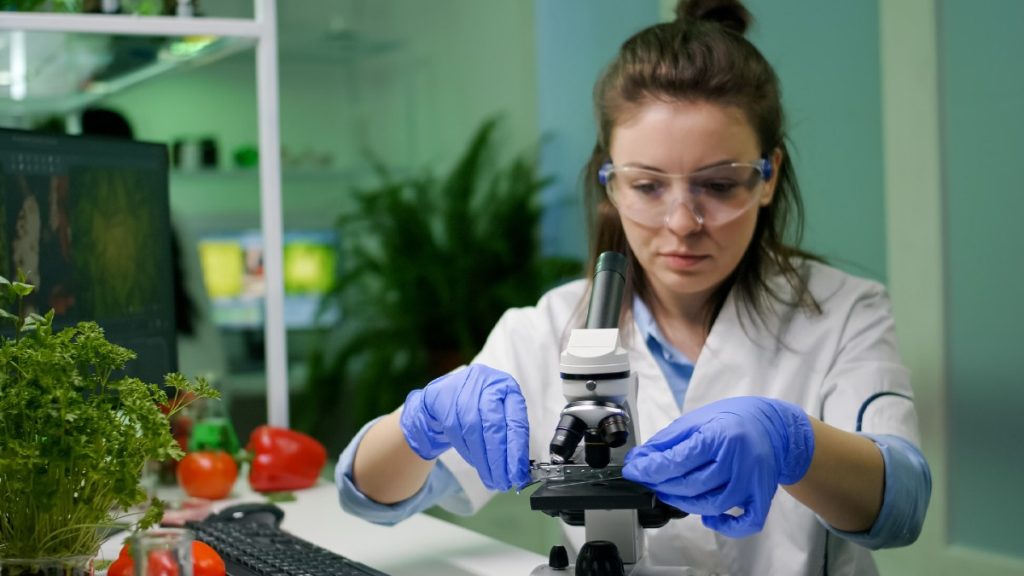
The world is changing fast, and biotechnology is at the heart of that change. From developing life-saving vaccines to engineering sustainable food systems, biotechnology professionals are in high demand across the globe. If you have recently completed your B.Sc. in Biotechnology and are wondering what comes next, studying abroad for a postgraduate degree might be the best decision of your life.
An international postgraduate degree does not just add a prestigious name to your resume; it opens doors to cutting-edge research, global industry networks, and career opportunities that are simply not available at home. Whether you dream of working in a pharmaceutical giant in Switzerland, a biotech startup in the USA, or a research lab in Germany, the right postgraduate course abroad can get you there.
Why Study Abroad After a BSc in Biotechnology?
Choosing to study abroad is a big decision, but for biotechnology graduates, it is one that pays off tremendously. Here is why:
- World-class research facilities: Universities in the USA, Germany, and the UK offer laboratories and research infrastructure that are decades ahead.
- Higher earning potential: An international postgraduate degree significantly boosts your salary prospects both abroad and back home.
- Global industry exposure: You get to work with multinational biotech and pharma companies through internships and industry collaborations.
- Diverse networking: You build connections with peers, professors, and professionals from around the world.
- Scholarships & funding: Many governments and universities offer generous financial aid to international students.
Things to Consider Before Choosing a Course Abroad
Before you start applying, take a step back and think about these key factors:
- Your career goals: Are you interested in research, industry, or management?
- University & country rankings: Always check QS or THE rankings for your specific subject.
- Tuition fees & cost of living: Countries like Germany offer nearly free education, while the USA and UK can be expensive.
- Scholarship availability: Research funding options early, as deadlines can be months in advance.
- Post-study work visa: Countries like Canada, Australia, and Germany offer excellent post-study work opportunities that can lead to permanent residency.
Top 10 Postgraduate Courses to Study Abroad After a BSc in Biotechnology
1. MSc in Biotechnology
The most natural progression after a B.Sc., this course deepens your understanding of genetic engineering, cell biology, and industrial biotech. Top destinations include the USA, Germany, the UK, and Canada.
Career Roles: Research Scientist, Biotech Analyst, Product Development Specialist, Genetic Engineer, and Bioprocessing Engineer.
Industries Hiring: Pharmaceutical Companies, Agricultural Biotech, Healthcare & Medical Devices, Industrial Biotechnology, and Food & Beverage.
Average salaries typically range between $60,000–$100,000 per year in the USA.
2. MSc in Molecular Biology & Genetics
This program focuses on DNA, gene expression, and molecular mechanisms of disease. It is ideal for students aiming for research or healthcare roles. Top destinations include the USA, the Netherlands, and Australia.
Career Roles: Geneticist, Molecular Biologist, Research Associate, Genomics Scientist, and Cell Biology Researcher.
Industries Hiring: Genomics & Gene Therapy Companies, Academic & Government Research Labs, Hospitals & Diagnostic Centres, Biotech Startups, and Cancer Research Institutes.
Average salaries range from $55,000–$90,000 annually.
3. MSc in Bioinformatics
At the crossroads of biology and data science, bioinformatics is one of the fastest-growing fields in the world. This course teaches you to analyse biological data using computational tools. Top destinations include the USA, UK, Germany, and Sweden.
Career Roles: Bioinformatics Analyst, Computational Biologist, Data Scientist (Life Sciences), Genomics Data Analyst, and Software Developer (Biotech).
Industries Hiring: Genomics & Proteomics Companies, AI & Data Analytics Firms, Pharmaceutical R&D, Healthcare IT, and Academic Research Institutions.
Average salaries range between $70,000–$110,000 per year.
4. MSc in Pharmaceutical Sciences / Drug Discovery
If you are passionate about medicines and drug development, this is the course for you. It covers pharmacology, drug design, and clinical trials. Top destinations include the UK, USA, Switzerland, and Ireland.
Career Roles: Drug Discovery Scientist, Regulatory Affairs Specialist, Clinical Research Associate, Pharmacologist, and Formulation Scientist.
Industries Hiring: Big Pharma Companies, Contract Research Organisations (CROs), Regulatory Bodies (FDA, EMA), Biotech Firms, and Hospital & Clinical Research Centres.
Average salaries range from $65,000–$105,000 per year.
5. MSc in Biomedical Sciences
This interdisciplinary course bridges biotechnology and medicine, covering topics like pathology, immunology, and diagnostics. Top destinations include the UK, Canada, Australia, and Germany.
Career Roles: Biomedical Scientist, Clinical Research Associate, Lab Manager, Medical Science Liaison, and Diagnostics Specialist.
Industries Hiring: Hospitals & Healthcare Systems, Medical Device Companies, Diagnostic Laboratories, Clinical Research Organisations, and Public Health Agencies.
Average salaries range from $55,000–$85,000 annually.
6. MSc in Environmental Biotechnology
With climate change at the forefront of global concerns, environmental biotechnology professionals are increasingly sought after. This course focuses on bioremediation, waste treatment, and sustainable technologies. Top destinations include the Netherlands, Germany, Sweden, and Australia.
Career Roles: Environmental Biotechnologist, Bioremediation Specialist, Sustainability Consultant, Waste Management Scientist, and Green Technology Developer.
Industries Hiring: Environmental Agencies, Renewable Energy Firms, Government & Public Sector, Waste Management Companies, Agricultural Biotech, and NGOs focused on Climate Action.
Average salaries range from $50,000–$80,000 per year.
7. MSc in Food Science & Technology
Food security is a global challenge, and this course trains you to develop safer, healthier, and more sustainable food products. Top destinations include the USA, the Netherlands, Denmark, and Australia.
Career Roles: Food Technologist, Product Development Scientist, Quality Assurance Manager, Food Safety Consultant, and Nutrition Scientist.
Industries Hiring: Food & Beverage Companies, FMCG Giants, Government Food Safety Authorities, Agricultural Firms, and Nutraceutical & Supplement Companies.
Average salaries typically range from $50,000–$80,000 annually.
8. MSc in Immunology & Microbiology
Post-pandemic, the demand for immunologists and microbiologists has skyrocketed. This course covers infectious diseases, vaccine development, and immune system research. Top destinations include the UK, USA, Germany, and Canada.
Career Roles: Immunologist, Microbiologist, Vaccine Researcher, Infectious Disease Specialist, and Clinical Immunology Analyst.
Industries Hiring: Vaccine & Biopharma Companies, Public Health Organisations (WHO, CDC), Hospitals & Research Hospitals, Diagnostic Labs, and Government Health Agencies.
Average salaries range from $60,000–$95,000 per year.
9. MBA in Biotechnology Management
For those who want to combine science with business, an MBA in Biotechnology Management is a powerful combination. It covers biotech entrepreneurship, regulatory affairs, and strategic management. Top destinations include the USA, UK, Singapore, and Canada.
Career Roles: Biotech Manager, Business Development Executive, Regulatory Affairs Manager, Biotech Entrepreneur, and Healthcare Consultant.
Industries Hiring: Biotech & Pharma Corporations, Healthcare Consulting Firms, Venture Capital & Investment Firms, Regulatory Bodies, and Biotech Startups & Incubators.
Average salaries range between $80,000–$130,000 annually.
10. PhD / Research Programs in Life Sciences
If you are deeply passionate about research and discovery, a PhD is the ultimate path. Many universities in the USA, Germany, and Switzerland offer fully funded PhD programs that cover tuition and provide a monthly stipend.
Career Roles: Principal Scientist, University Professor, R&D Director, Chief Scientific Officer, and Postdoctoral Research Fellow.
Industries Hiring: Universities & Academic Institutions, Government Research Labs, Top Pharma & Biotech Companies, Biotechnology Think Tanks, and International Health Organisations (WHO, NIH, EMBL).
Long-term earning potential exceeds $100,000+ per year.
Best Countries for Postgraduate Courses After B.Sc. Biotechnology
| Country | Why Choose It | Avg. Tuition/Year |
|---|---|---|
| USA | Top research universities & industry hubs | $20,000–$50,000 |
| Germany | Low/no tuition fees, strong biotech industry | €500–€3,000 |
| UK | 1-year MSc programs, globally recognised degrees | £15,000–£30,000 |
| Canada | PR-friendly, excellent post-study work visa | CAD 15,000–30,000 |
| Australia | Strong research culture, quality of life | AUD 25,000–40,000 |
| Ireland | English-speaking, EU biotech & pharma hub | €10,000–€25,000 |
| Netherlands | Innovative research, English-taught programs | €8,000–€20,000 |
| Sweden | Cutting-edge life sciences, sustainable biotech | SEK 80,000–150,000 |
| Switzerland | World-class pharma industry, top-ranked universities | CHF 1,000–€25,000 |
| Denmark | Strong biotech sector, high quality of life | DKK 45,000–120,000 |
| Singapore | Asia’s biotech hub, gateway to Asian markets | SGD 20,000–40,000 |
Countries like Canada, Australia, and Germany actively welcome skilled biotechnology professionals through points-based immigration systems, making long-term settlement a realistic goal.
Scholarships for Biotechnology Students to Study Abroad
Funding your international education is more achievable than you think. Here are some of the top scholarships available:
- Fulbright Scholarship (USA): Covers tuition, living expenses, and travel for Indian students.
- DAAD Scholarship (Germany): One of the most popular scholarships for postgraduate studies in Germany.
- Chevening Scholarship (UK): Fully funded scholarship for future leaders from around the world.
- Erasmus Mundus (Europe): Joint master’s programs across multiple European universities with full funding.
- Commonwealth Scholarship: Available for students from Commonwealth nations, including India.
- University-specific grants: Many universities, like MIT, the University of Toronto, and TU Munich, offer their own merit-based funding.
Also Read: Study in UK: UG & PG Admission Guide for Indian Students
Tips to Get Admission in Top Universities Abroad
- Maintain a strong academic profile: Most top universities expect a minimum of 60–70% in your B.Sc.
- Prepare for English proficiency tests: IELTS (6.5+) or TOEFL (90+) is required by most universities.
- Crack the GRE if required: Especially for USA-based programs.
- Write a compelling SOP: Your Statement of Purpose should clearly reflect your passion, goals, and why you chose that specific university.
- Strong LORs: Letters of Recommendation from professors or research supervisors carry significant weight.
- Apply early: Most universities have rolling admissions; early applicants have better chances of securing both seats and scholarships.
Conclusion
Your B.Sc. in Biotechnology is not the finish line; it is the launching pad. The world’s best universities are waiting to help you specialise, innovate, and lead in one of the most exciting fields of the 21st century. Whether you choose to dive deep into molecular research, explore the business side of biotech, or tackle global environmental challenges, there is a postgraduate course abroad perfectly suited to your ambitions.
Take the next step today — consult a study abroad expert, shortlist your universities, and start building the future you deserve.